
How to Build Wealth Through Pensacola Real Estate: An Investor's Guide for 2026
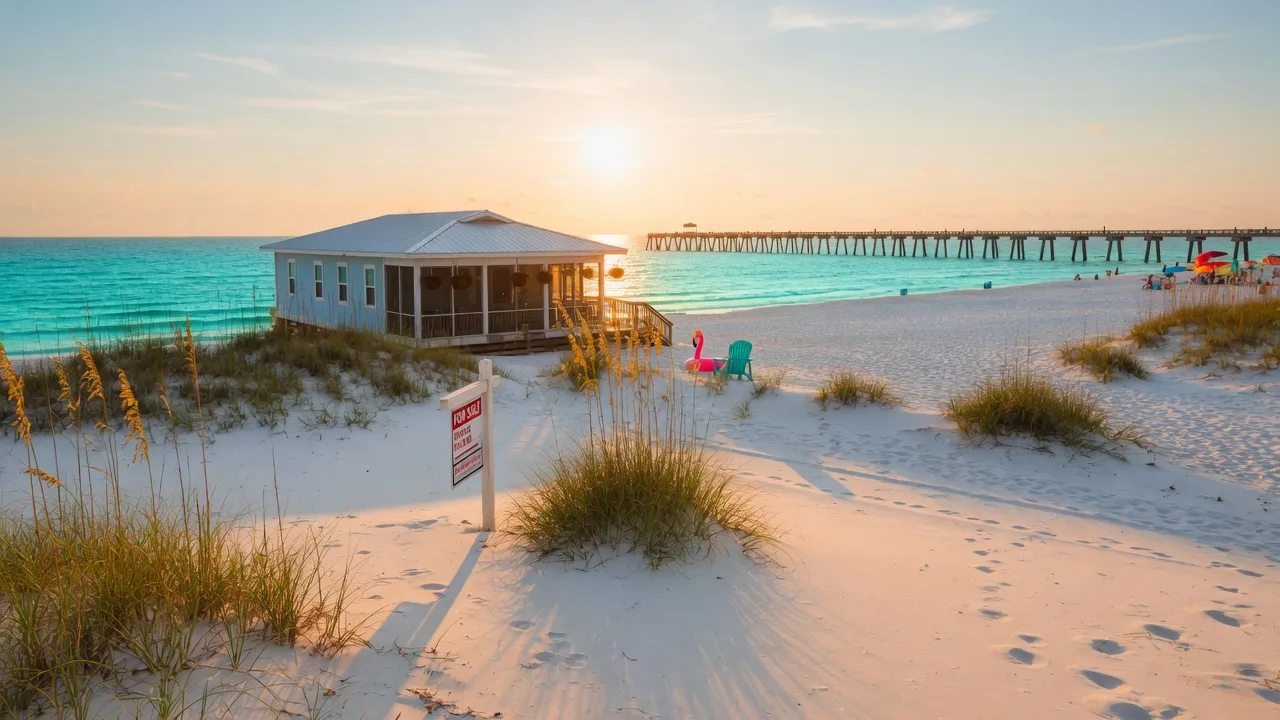
Pensacola is one of Florida's most accessible markets for real estate investors, offering a rare combination of affordable entry prices, strong rental demand from military tenants and vacation travelers, and steady long-term appreciation. Here is exactly how to build wealth through Pensacola real estate in 2026, whether you live in Florida or plan to invest from out of state.
I fell into real estate investing by accident 30 years ago, building a portfolio of 10 properties in 90 days. That wild start taught me lessons that still guide how I help clients today. As the broker-owner of Gulf Coast Home Experts, Gulf Coast Real Estate Management, and Gulf Coast BnB Rentals, I see the full picture of the Pensacola market from every angle. Here is what investors need to know right now.
Why Pensacola Works for Real Estate Investors in 2026
Pensacola's real estate market offers three distinct advantages for investors that are hard to find in most other Florida markets.
First, the entry price is still reasonable. The countywide median home price sits around $310,000 to $345,000 depending on the specific area and property type. Compare that to Tampa ($400,000+), Orlando ($420,000+), or Miami ($600,000+), and you can see why out-of-state investors are taking a hard look at the Panhandle.
Second, you get two rental markets in one city. NAS Pensacola, NAS Whiting Field, and nearby Hurlburt Field create steady demand for long-term rentals from active-duty military families. At the same time, Pensacola Beach and the downtown historic district generate high seasonal demand for short-term vacation rentals. A single property strategy works, but the real opportunity is in understanding which part of the market your investment fits.
Third, the market is balanced. With roughly 3.5 to 4.6 months of inventory, the Pensacola market is near the balanced threshold. Homes are spending about 68 to 76 days on market, and prices are up roughly 2% to 4% year over year. That is steady, sustainable growth without the speculative frenzy you see in overheated markets.
Two Investment Strategies: Long-Term Rentals vs Short-Term Vacation Rentals
The best strategy depends on your goals, your timeline, and your tolerance for hands-on management. Here is how the two approaches compare in Pensacola.
Long-Term Rentals Near Military Bases
The military presence in Pensacola creates a rental market that most Florida cities do not have. NAS Pensacola alone is home to over 16,000 active-duty personnel, civilian employees, and family members, and many choose to live off base rather than in on-base housing.
Single-family homes in neighborhoods like Warrington, West Pensacola, and Ferry Pass typically range from $220,000 to $340,000 and rent for $1,600 to $2,200 per month. The BAH (Basic Allowance for Housing) that service members receive means your tenant's rent is effectively subsidized by the military, which provides consistent payment reliability that is hard to match in civilian rentals.
As the broker-owner of Gulf Coast Real Estate Management, I can tell you this: military tenants tend to stay longer, pay on time, and take care of the property. Many of my investor clients convert their primary residence to a long-term rental when they PCS out of Pensacola, and the transition is seamless when you have a professional management team in place.
Short-Term Vacation Rentals on Pensacola Beach
Pensacola Beach continues to draw strong vacation rental demand, with occupancy rates that rival better-known Florida destinations at a lower entry price. Beachfront condos and Gulf-view townhomes in the $350,000 to $600,000 range can generate meaningful short-term rental income, particularly during the peak spring and summer season.
The key to success in the short-term rental market is picking the right property type and having professional management. Through Gulf Coast BnB Rentals, I help investors set up, market, and manage vacation rental properties so the property performs at its peak even when you are not in town.
Creative Financing Options for Pensacola Investors
One of the biggest questions I hear from out-of-state investors is how to finance an investment property without living in Florida. Here are the options that work in 2026.
- ● DSCR loans. A Debt Service Coverage Ratio (DSCR) loan uses the property's projected rental income rather than your personal income to qualify. With 20% down on a $295,000 property, you are looking at roughly $59,000 down. This is the most popular option for out-of-state investors who do not have W-2 income in Florida.
- ● Conventional investment loans. If you have solid income and credit, a conventional 30-year fixed investment loan typically requires 20% to 25% down. Rates are slightly higher than owner-occupied loans, but the terms are predictable and well understood.
- ● Cash purchases. All-cash buyers have a real advantage in the Pensacola market, especially for properties that need light rehab. You can close in 14 days or less, and you skip the appraisal and financing contingency entirely.
- ● Home equity from your primary residence. For first-time investors, using a HELOC or cash-out refinance on your own home to fund a Pensacola investment property can be a smart way to enter the market without saving a full down payment from scratch.
What to Watch Out For: Insurance, Taxes, and Management
Florida real estate comes with specific costs that investors from other states may not expect. Budget for these from day one.
Property insurance in Florida is higher than the national average due to hurricane risk. On a $300,000 home near Pensacola, expect annual premiums in the range of $2,500 to $4,500 depending on the age of the roof, the distance from the coast, and the insurer. Always get an insurance quote before making an offer so you know the full carry cost.
Property taxes are manageable. Florida has no state income tax, and Escambia County's millage rate runs about 1.0% to 1.1% of assessed value. For a $300,000 home, that works out to roughly $3,000 to $3,300 per year in property taxes. If you buy a homesteaded property and live in it as your primary residence, the Save Our Homes cap limits annual assessment increases to 3% or the rate of inflation, whichever is lower.
Professional management is not optional for out-of-state investors. A good property management company handles tenant placement, maintenance, inspections, and evictions if needed. Management fees in Pensacola run 8% to 12% of monthly rent for long-term rentals and 20% to 30% for short-term vacation rentals. That fee pays for itself when it means you never have to handle a 2 a.m. plumbing emergency from 1,000 miles away.
A Real-World Example: How It Comes Together
Here is a typical scenario I walk through with out-of-state investors. A buyer finds a three-bedroom, two-bath single-family home in Ferry Pass listed at $285,000. They use a DSCR loan with 20% down ($57,000). The home rents for $1,950 per month to a military family. Monthly expenses: mortgage payment ($1,150 at current rates), property management (8%, or $156), property insurance ($290), and property taxes ($270). That leaves about $84 per month in positive cash flow before maintenance reserves.
The real wealth in this scenario comes from three things: the tenant pays down the mortgage principal every month, the property appreciates at a modest 3% to 4% per year in Pensacola's steady market, and the investor can raise rent gradually as BAH rates increase. Over a 10-year hold, that $57,000 down payment grows into roughly $120,000 to $150,000 in equity, plus the accumulated cash flow and tax benefits of depreciation.
Why Start with an Investor-Friendly Broker Who Understands the Full Picture
I have been where you are. I started with no experience, made mistakes, built a portfolio, and learned what works. As the broker-owner of three companies that cover sales, long-term management, and vacation rental management, I can help you find the right property, structure the deal, and set up the management before you ever sign the closing documents.
Pensacola is one of the last affordable coastal markets in Florida where a smart investor can still get in, build equity, and generate steady income. Let's talk about how to make the numbers work for you.
Ready to explore Pensacola investment properties? Give me a call or schedule a consultation. I will help you find your next deal.
Catch you later, let's make some money in real estate!